Dear Friends …
According to research published in Frontiers in Psychology, people form lasting impressions of a place within moments, but those impressions continue to evolve with repeated exposure. Familiar environments become easier to navigate, freeing our attention to notice details that escaped us the first time. In architecture, this matters more than we often realize. The buildings that stay with us are rarely the ones that reveal everything at once. They are the ones that continue to offer something new long after the novelty has worn off.
First impressions are important. They always will be. A welcoming entrance, thoughtful proportions, natural light, and a clear sense of arrival all shape how we feel when stepping into a building for the first time. Yet if architecture is only designed for that initial encounter, it risks becoming a photograph rather than a place. Beautiful to look at, perhaps, but quickly exhausted.
The buildings people remember for years tend to work differently.
Think about a favorite hotel you’ve visited more than once. The first stay is spent finding your room, locating the restaurant, learning the rhythm of the lobby, and understanding how everything fits together. On your second visit, those practical questions disappear. Instead, you notice how morning light stretches across the floor, how a quiet corner becomes the perfect place to read, or how a familiar path through the building feels almost instinctive.
The building has not changed. Your relationship with it has.
That shift is where architecture becomes something more than shelter. It begins to participate in memory.
Designing for the second visit requires resisting the temptation to make every moment loud. Not every view needs to announce itself immediately, and not every architectural feature needs to compete for attention. Sometimes the most rewarding spaces are the ones discovered naturally over time, rewarding curiosity instead of demanding it.
This idea has less to do with surprise than with trust. A thoughtfully designed building assumes people will return. It accepts that familiarity is not the enemy of beauty but one of its greatest companions.
The same principle applies to neighborhoods we grow up in. As children, we know them by playgrounds, sidewalks, or the quickest route home. Years later, we begin noticing the rhythm of porches along a street, the way mature trees soften afternoon sunlight, or how one corner becomes livelier at certain hours of the day. Our surroundings have quietly accumulated meaning because we have continued to experience them.
Architecture has the opportunity to create that same sense of discovery.
Materials often play a larger role than dramatic forms. Natural stone reveals subtle variations as daylight changes throughout the seasons. Wood develops character through years of touch and use. Concrete, often misunderstood as cold or impersonal, catches shadows differently throughout the day, creating moments that no rendering could fully predict. These are qualities appreciated over time rather than captured in a single photograph.
Light behaves much the same way. During an initial visit, it simply helps us understand a space. On later visits, it becomes something we anticipate. We begin remembering where the morning sun reaches across a lobby or how evening light settles into a courtyard. Those patterns become part of our memory of a building, even if we never consciously think about them.
Designers sometimes speak about creating memorable experiences, but memorable experiences are rarely manufactured through spectacle alone. More often, they emerge through repetition. The coffee shop visited every Friday morning. The office lobby that feels familiar after years of work. The hotel where every return carries a quiet sense of recognition. These places become meaningful because they continue participating in our routines instead of interrupting them.
Architecture that lasts does not rely on novelty. It relies on depth.
Taking Shape
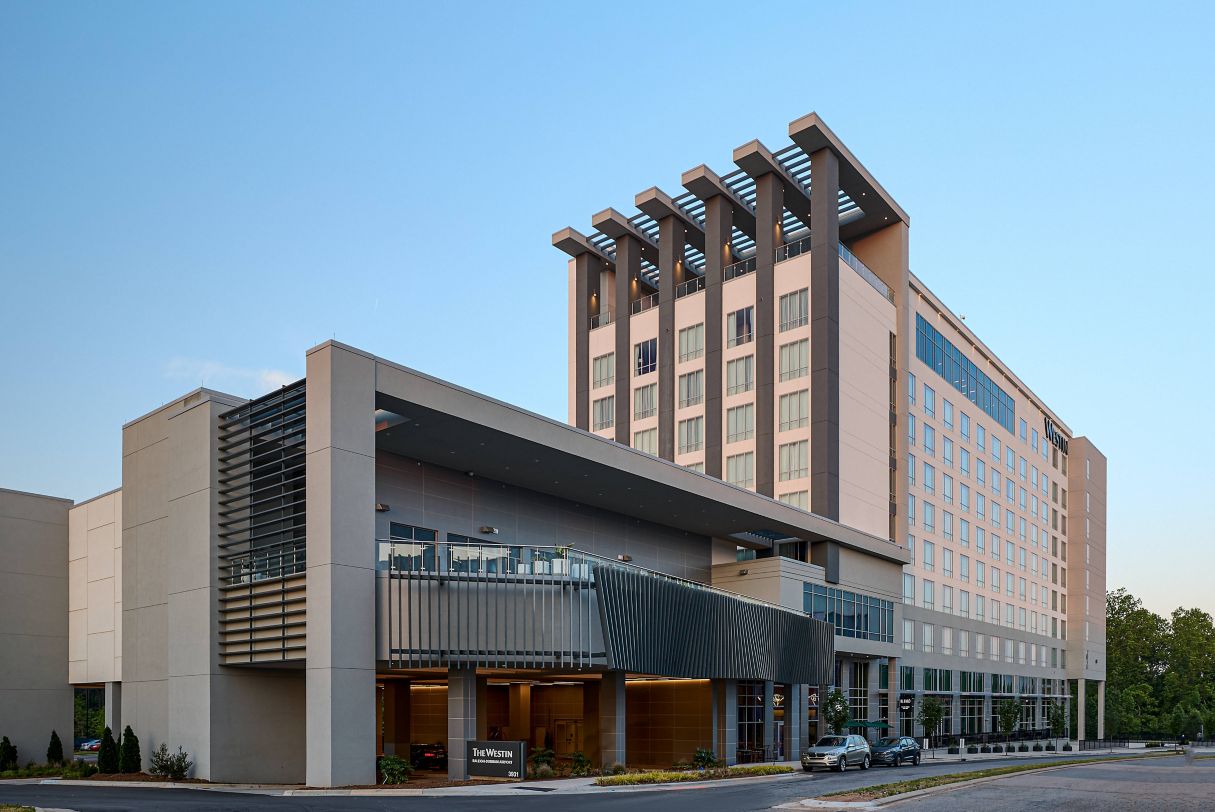
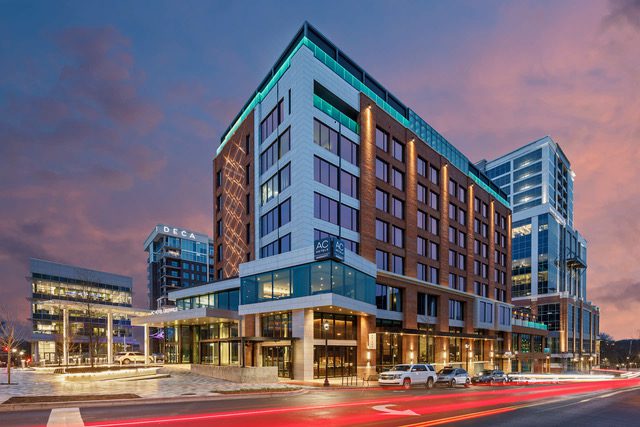
Many of ODA’s hospitality and mixed-use projects embrace this philosophy by creating spaces that unfold gradually rather than all at once. Public areas are designed with layers of activity instead of singular focal points, encouraging visitors to experience different perspectives as they move through the building. Comfortable gathering spaces, changing sightlines, and carefully framed connections between interior and exterior spaces reward repeat visits by offering experiences that evolve with time rather than remaining fixed.
This approach reflects a simple belief: buildings should become more rewarding as people become more familiar with them.
Going Up
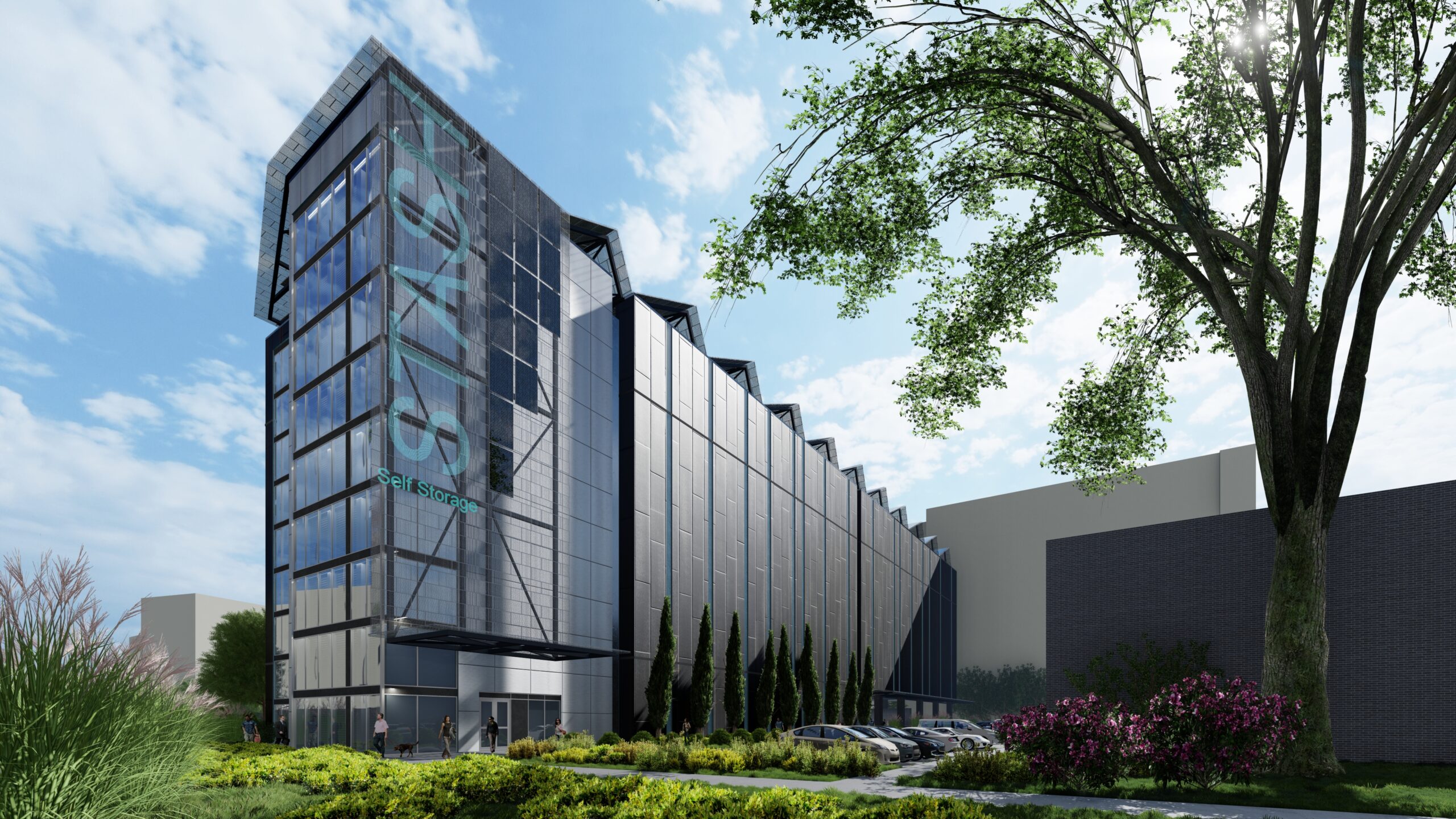
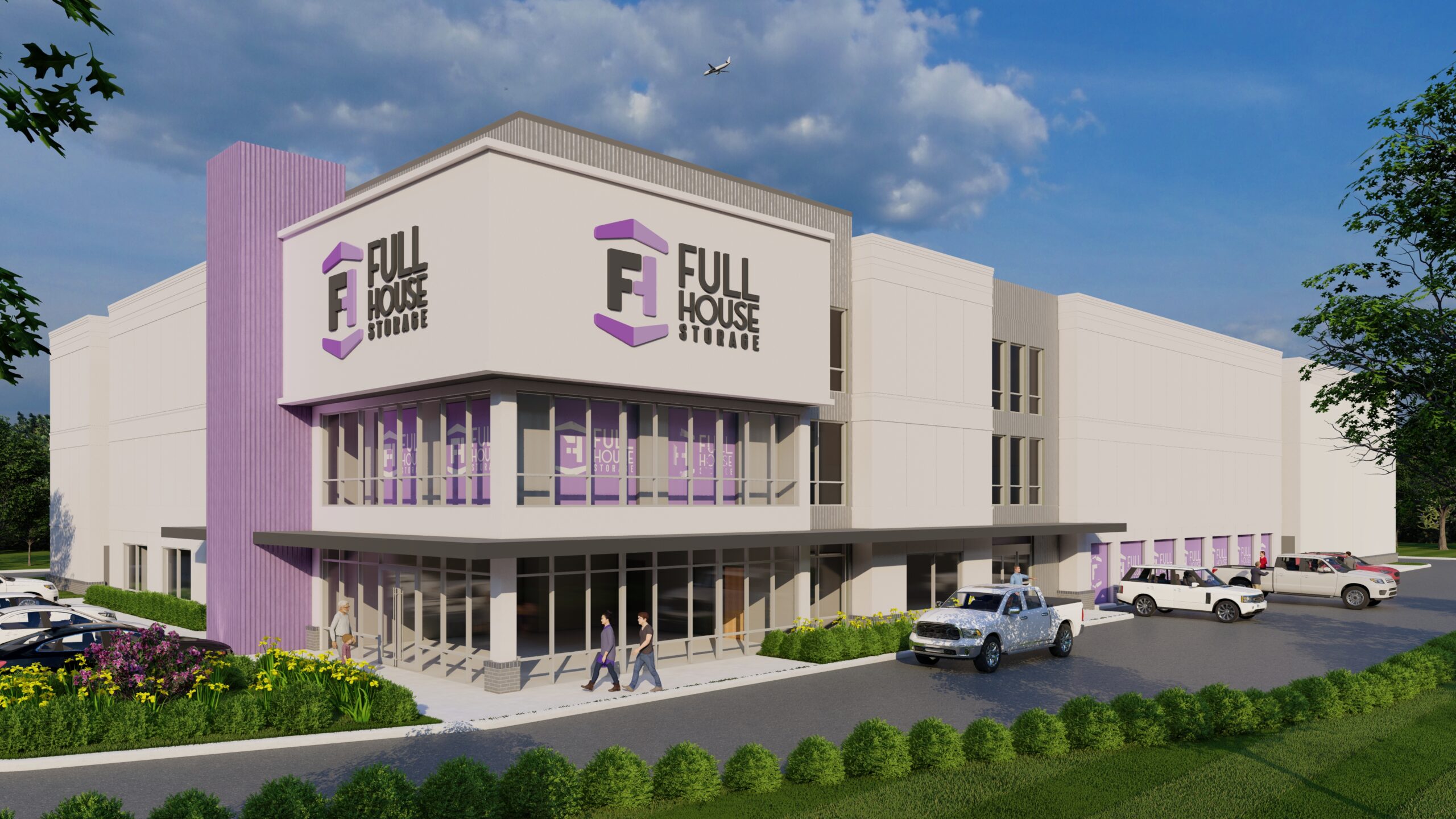
Across ODA’s portfolio, projects such as the Moxy Banff Hotel, The Trails at Mt. Moriah, and Canvas Apartments demonstrate how architecture can continue revealing itself long after opening day. Rather than depending on a single dramatic gesture, these environments rely on thoughtful circulation, durable materials, generous daylight, and spaces that encourage everyday interaction. Residents, guests, and visitors experience these places differently over weeks, months, and years because the architecture was never intended to be fully understood in a single visit.
Perhaps that is one of architecture’s quietest responsibilities.
We often celebrate buildings that make an immediate impression, but the places that shape our lives rarely do so all at once. They become part of us gradually, through ordinary mornings, familiar walks, changing seasons, and repeated encounters that deepen our understanding without asking for our attention.
The best architecture is not simply remembered after the first visit.
It gives us a reason to come back.