Dear Friends …
When we think about places that have left a lasting impression on us, we often remember the destination.
A favorite hotel. A childhood home. A restaurant where an important conversation took place. A park bench overlooking a memorable view.
Yet when I reflect on some of the most meaningful places I have experienced, I realize that what I remember most vividly is not always the destination itself. More often, it is the journey leading to it. I remember the path through a courtyard before entering a building. The gradual reveal of a skyline at the end of a walkway. The transition from a bustling street into a quiet lobby. The moment of anticipation before a door opens.
These experiences occur in the spaces between. Architecture is often evaluated by the rooms it creates. We discuss floor plans, square footage, finishes, and functionality. These elements are important. They provide the framework for how a building performs. Yet the emotional experience of a place frequently happens outside the room itself.
It happens while moving toward it. Human beings are remarkably sensitive to transitions. We recognize them throughout life. Graduations, weddings, new careers, and new homes are all moments that mark a passage from one chapter to another. We naturally pause during these transitions because they help us process change. They give meaning to what came before and prepare us for what comes next.
Architecture has the same opportunity. A thoughtfully designed arrival sequence can create anticipation. A narrowing corridor can focus attention. A framed view can encourage reflection. A change in light can signal that we are entering a different kind of experience. These moments rarely demand attention. In fact, the best ones often go unnoticed. Yet they shape how we feel, and how we remember.
Great architecture functions much like a good story. Every memorable story has a beginning, a middle, and an end. The power of the narrative is not found solely in its destination, but in how the journey unfolds. Tension builds. Curiosity develops. Meaning accumulates along the way.
Buildings are no different. The most successful environments guide people through a sequence of experiences rather than delivering everything at once. They allow discovery. They create rhythm. They encourage moments of pause before moments of arrival. This is particularly evident in hospitality design.
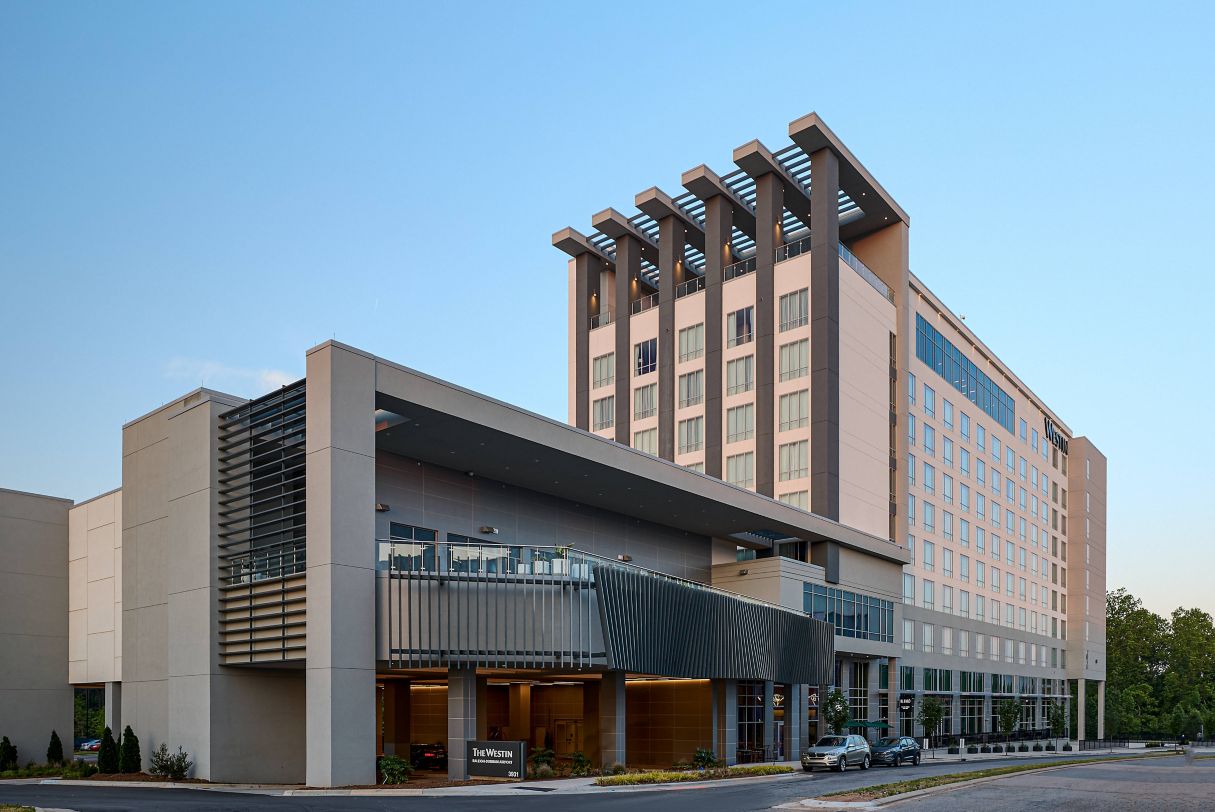
Guests begin forming impressions long before they enter their room. The drive onto the property, the walk beneath a canopy, the sounds of a lobby, the quality of natural light, and even the pace at which spaces reveal themselves all contribute to the overall experience. Long after checkout, these moments often remain. What makes this idea so compelling is that it extends far beyond architecture.
Life itself is largely lived in the spaces between. We spend much of our time pursuing goals, milestones, and destinations. Yet when we look back, many of our most cherished memories come from the transitions. The conversations during the journey. The anticipation before the event. The quiet moments of reflection between one chapter and the next.
Perhaps that is why transitional spaces resonate so deeply with us. They mirror something fundamentally human.
As architects, our responsibility extends beyond designing buildings. We are also designing experiences. We shape the moments people move through, not simply the places where they arrive. The destination will always matter. But sometimes the most meaningful part of the journey is found in the spaces between.
Until next time,
Your Friends at ODA