Dear Friends …
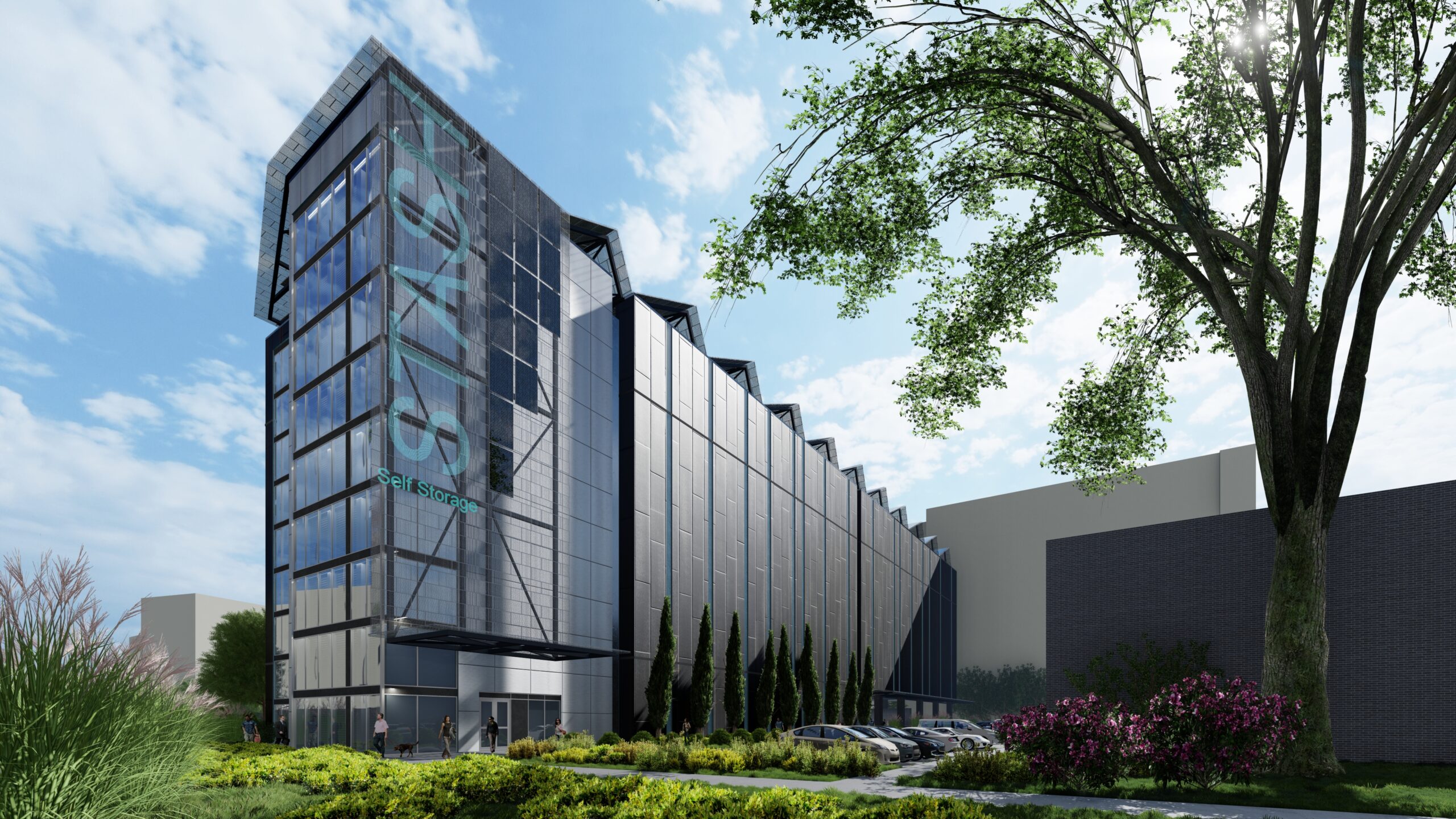
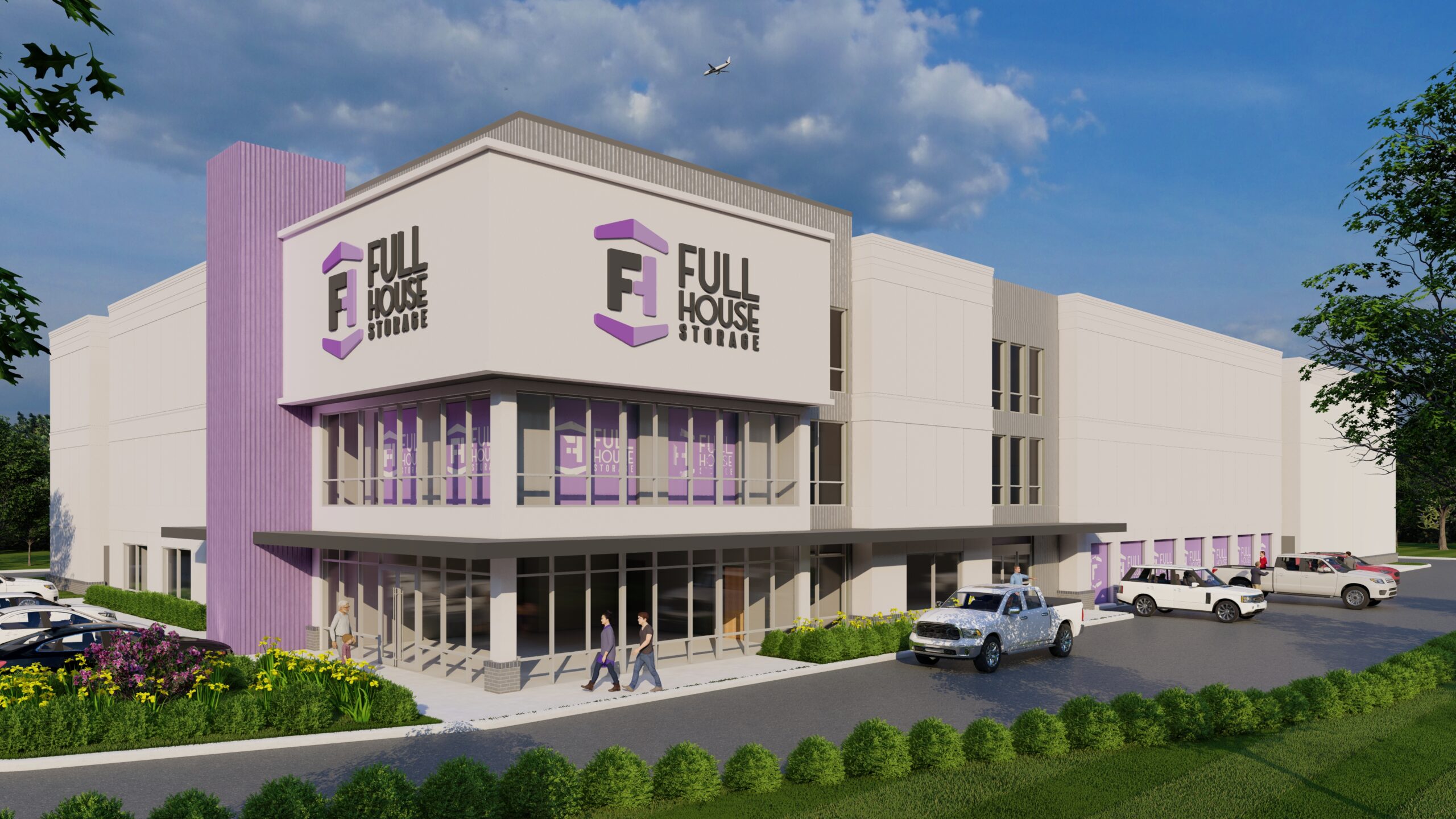
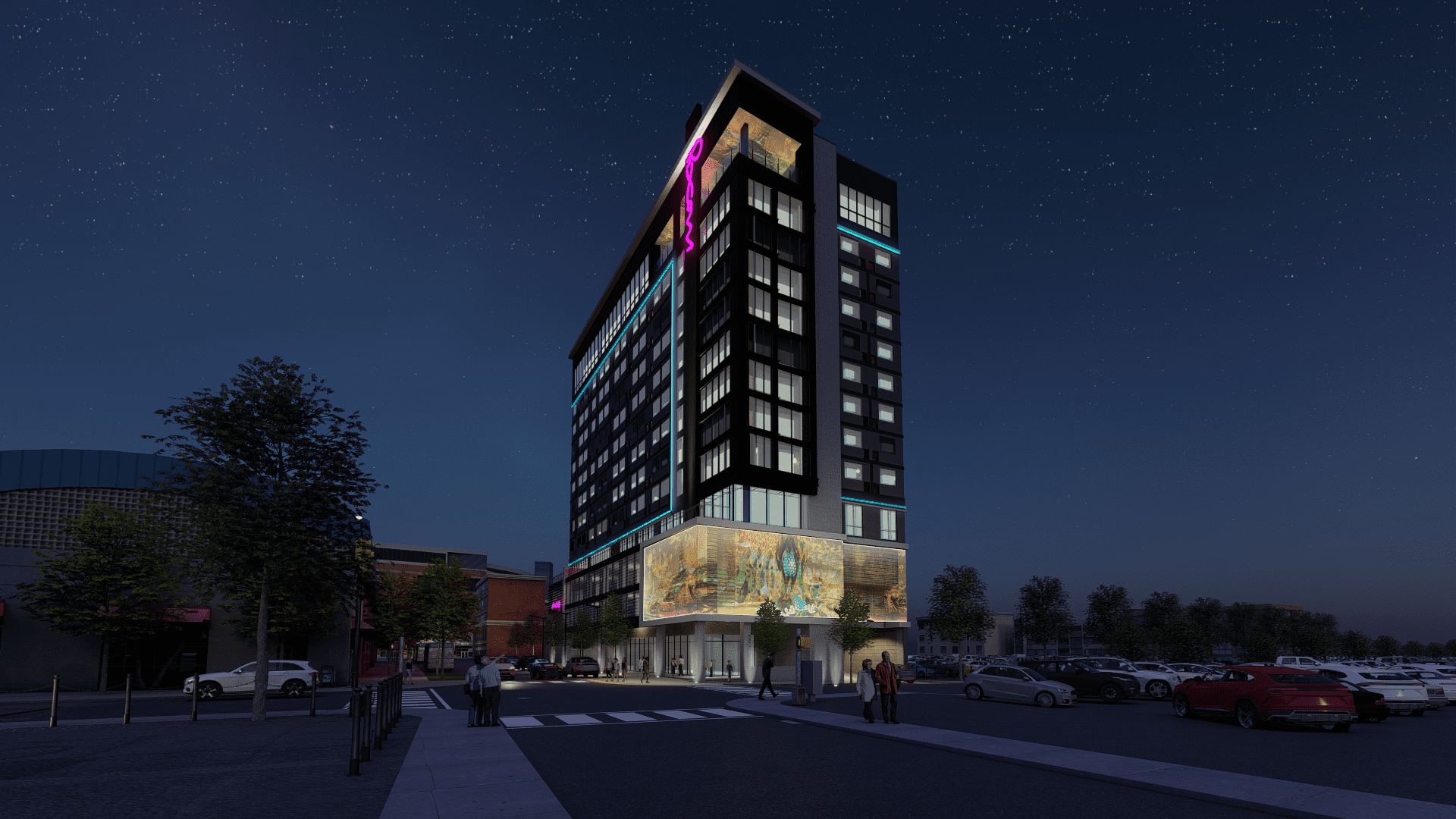
Buildings are often presented as finished things.
A rendering captures one perfect moment. The landscaping is full, the furniture is arranged, and every space appears to have discovered its permanent purpose. Drawings reinforce the same impression. Rooms are labeled, circulation is defined, and each part of the building seems certain about what it is meant to become.
Life is rarely so predictable.
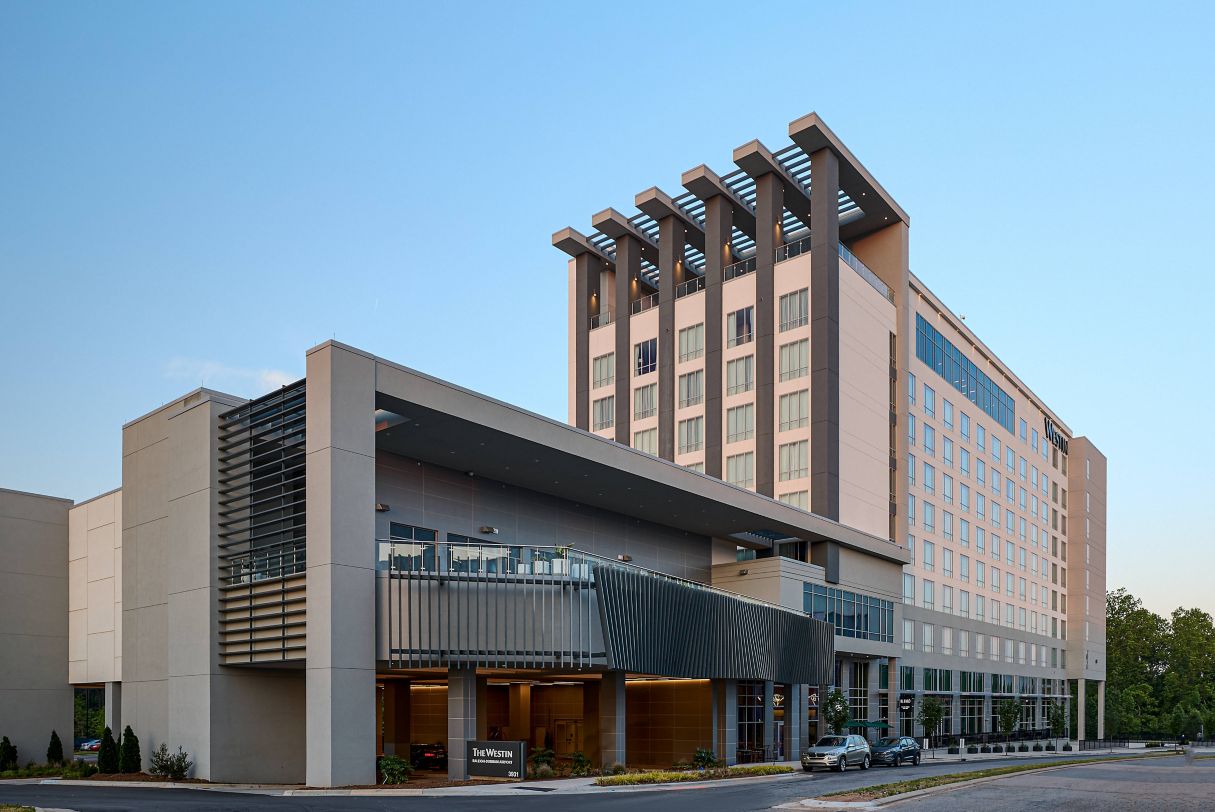
Families grow and shrink. Businesses adopt new ways of working. Neighborhoods develop identities that no planning document could fully anticipate. A hotel designed for brief stays may eventually welcome guests who remain for weeks. A quiet lobby may become a place for meetings, meals, and informal gatherings. Spaces created for one generation are inherited by another, bringing different habits, expectations, and needs.
The building remains, but the life within it keeps moving.
This is one of architecture’s most interesting contradictions. Buildings are expected to last, yet nearly everything around them changes. The people who occupy them change. Technology changes. Communities change. Even our understanding of comfort, privacy, work, and connection changes over time.
A building that cannot respond may remain physically intact while gradually becoming less useful. A building that adapts has the opportunity to remain relevant long after its original purpose has evolved.
That does not mean every wall must move or every room must serve an endless number of functions. Flexibility without intention can produce spaces that technically accommodate everything but feel particularly suited to nothing. Meaningful adaptability is more thoughtful than that. It begins by recognizing which parts of a building should remain steady and which should be allowed to change.
Structure provides permanence. Proportion creates order. Durable materials establish character. Around these lasting elements, spaces can be designed with enough generosity to accept uses that may not yet be known.
A room with balanced proportions can become an office, meeting space, lounge, or classroom without losing its sense of place. A ground floor with sufficient height and access can welcome new tenants as a neighborhood develops. A shared space with movable furnishings can respond differently to a quiet morning, a busy afternoon, or an evening gathering.
These decisions may appear simple, but they reflect a larger way of thinking. They acknowledge that architects are designing for people they may never meet and circumstances they cannot completely predict.
The most adaptable buildings often do not announce their flexibility. They simply continue working.
Over time, occupants make small adjustments. A table moves closer to a window. A corner becomes a favorite place to work. An underused passage begins supporting informal conversations. A courtyard designed for circulation becomes the setting for community events. None of these changes requires the building to abandon its identity. Instead, they reveal possibilities that were present from the beginning.
Architecture learns through occupation.
It learns where people naturally gather and which routes they prefer. It learns which spaces feel comfortable at different times of day. It learns when privacy is needed and when openness encourages connection. These lessons are not recorded in the original drawings. They emerge through repetition, observation, and use.
Sometimes the people inside a building understand its possibilities before anyone else does. They discover that a wide landing can hold a conversation, that a lobby can become a living room, or that a shaded edge offers something the center of a courtyard cannot. Their choices gradually reshape the building’s meaning.
This does not make the original design less successful. In many cases, it proves the opposite.
A building that permits interpretation gives its occupants a role in its continuing story. It provides direction without controlling every experience. It can absorb the small adjustments of daily life while maintaining the clarity and character that made it distinctive in the first place.
There is also an environmental value in allowing buildings to change. The most sustainable structure is often the one that remains useful. When a building can accommodate new purposes, it becomes less vulnerable to vacancy, premature demolition, or replacement simply because its original program is no longer needed.
Adaptability, in this sense, is not only about anticipating the future. It is about respecting what has already been built.
Older buildings demonstrate this particularly well. Across towns and cities, former warehouses have become offices, factories have become gathering places, and commercial buildings have welcomed uses their original designers could never have imagined. Their continued relevance often comes from qualities that were practical from the beginning: sturdy construction, generous dimensions, natural light, clear circulation, and an honest relationship between structure and space.
They survive because they contain enough order to endure and enough freedom to change.
New buildings deserve that same opportunity. They should solve the needs of the present carefully, but they should not be so tightly bound to one moment that the future has nowhere to enter.
TAKING SHAPE
Adaptability begins early in the design process, often through questions that do not have immediate answers.
What happens if the number of occupants changes? Could a shared space support several levels of activity throughout the day? Can rooms be reorganized without disrupting the entire building? Will circulation remain clear if the use of a space evolves? Which elements must be permanent, and where would flexibility create lasting value?
These questions do not require architects to predict every possible future. They encourage us to design with humility. We can create buildings that meet today’s needs while accepting that tomorrow may ask something different of them.
The goal is not to leave spaces undefined. It is to give them the proportions, infrastructure, durability, and character they need to support more than one chapter.
GOING UP
When a building opens, one phase of its life is complete. Another is only beginning.
People arrive with routines the architect could not have known. Furniture shifts. Paths develop. Quiet corners become useful, and overlooked spaces find unexpected purposes. Years later, the building may welcome different occupants altogether. Its function may evolve, but something of its original character remains.
Perhaps that is how a building truly learns to change. Not by becoming something entirely different each time the world shifts, but by holding on to what matters while making room for what comes next.
Architecture cannot know the future. It can, however, greet the future with generosity.
The buildings that last are not always the ones that resist change most successfully. They are often the ones that understand change was part of the plan all along.