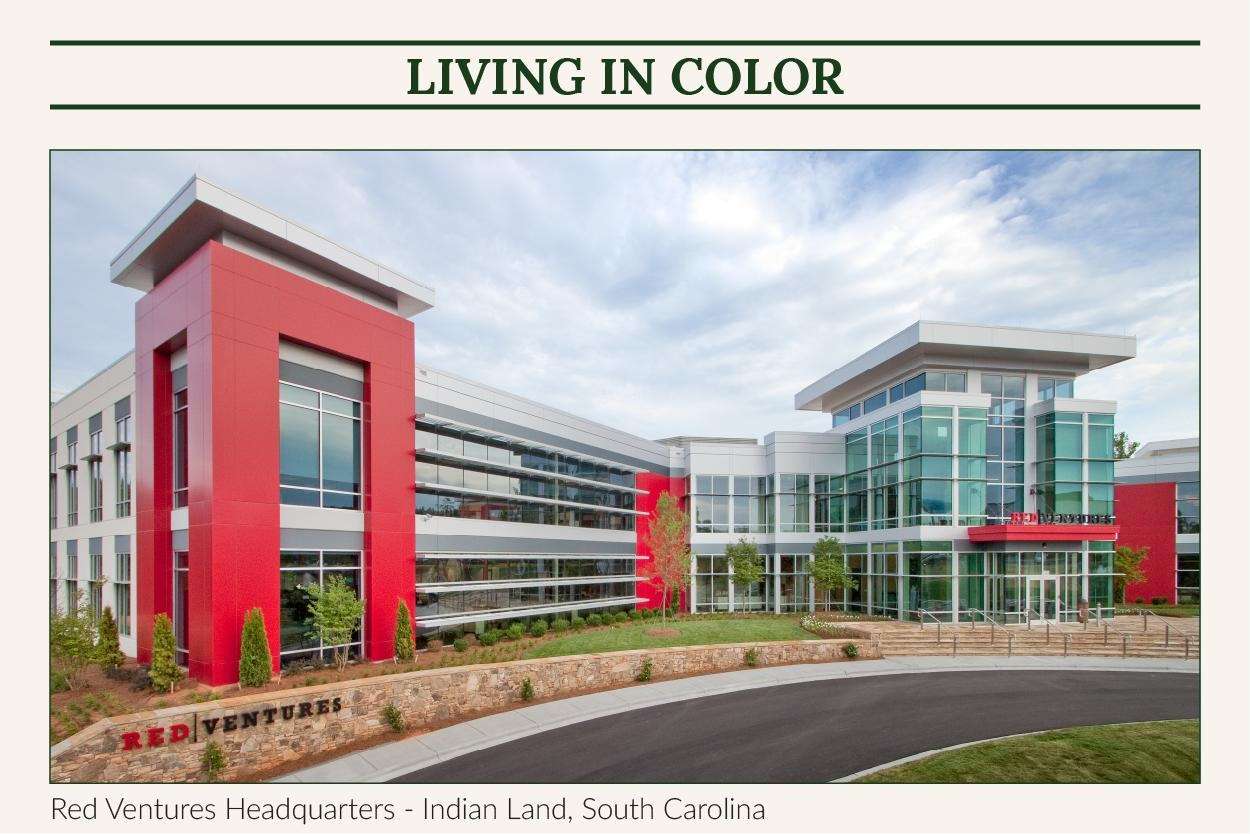
Dear Friends …
In a world full of beautiful colors, the way color is used in architecture affects how we feel every day. It does more than make spaces attractive – color can shape mood, influence how we see a space, and affect how we interact with it. Color can boost productivity, lower stress, and make people want to stay in a space longer.
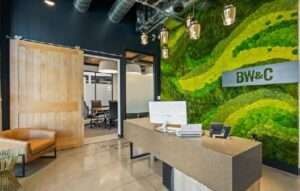
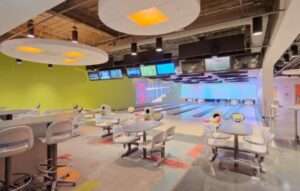
Color affects people’s behavioral patterns. Warm colors like red, orange, and yellow create energy and encourage people to interact, so they are often used in shared work areas, dining spaces, and classrooms. Cool colors like blue and green feel calm and relaxing, which makes them a good choice for offices, wellness spaces, and places for focus or rest.
Color in architecture is also shaped by culture. A color that seems joyful in one place might feel too strong in another. Architects need to understand these meanings so their designs feel appropriate for the people who use them and reflect the local community. Color helps tell a story and connect a building to its surroundings.
 Advancements in materials and technology have expanded how color can be applied and experienced. Dynamic facades, LED-integrated systems, and color-shifting materials, allow buildings to change appearance throughout the day or in response to environmental conditions. These innovations transform static structures into interactive experiences, reinforcing the relationship between architecture and its users.
Color is far more than an aesthetic decision. It is a functional and experiential tool. Thoughtful use of color can influence mood, behavior, and perception in ways that shape how people connect with the built environment. As architecture continues to evolve, ODA’s thoughtful use of color will remain important in creating spaces that are both visually engaging and centered on people.
Going Up
The Scoundrel Gatlinburg, Tennessee
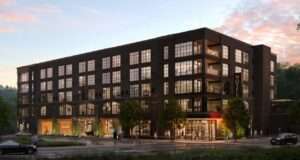
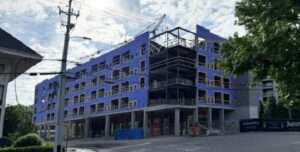
A little grit and a little spirit. The Scoundrel Hotel, a Tribute by Marriott property, is underway in the heart of Gatlinburg, Tennessee.
This five-story, 111-guestroom hotel channels Gatlinburg’s moonshining history through an industrial-rustic lens, complete with a restaurant and bar, meeting space, fitness center, and outdoor courtyard and dining patios.
Horner Building Co is making some great progress and targeting project completion in early 2027!
Owner: AATMOS | Civil: Robert G. Campbell & Assoc. | Landscape: RIOS | Structural: Martin/Martin Consulting PME: Kelso-Regen Associates + Vreeland Engineers | ID: Flick Mars | Contractor: Horner Building Co.
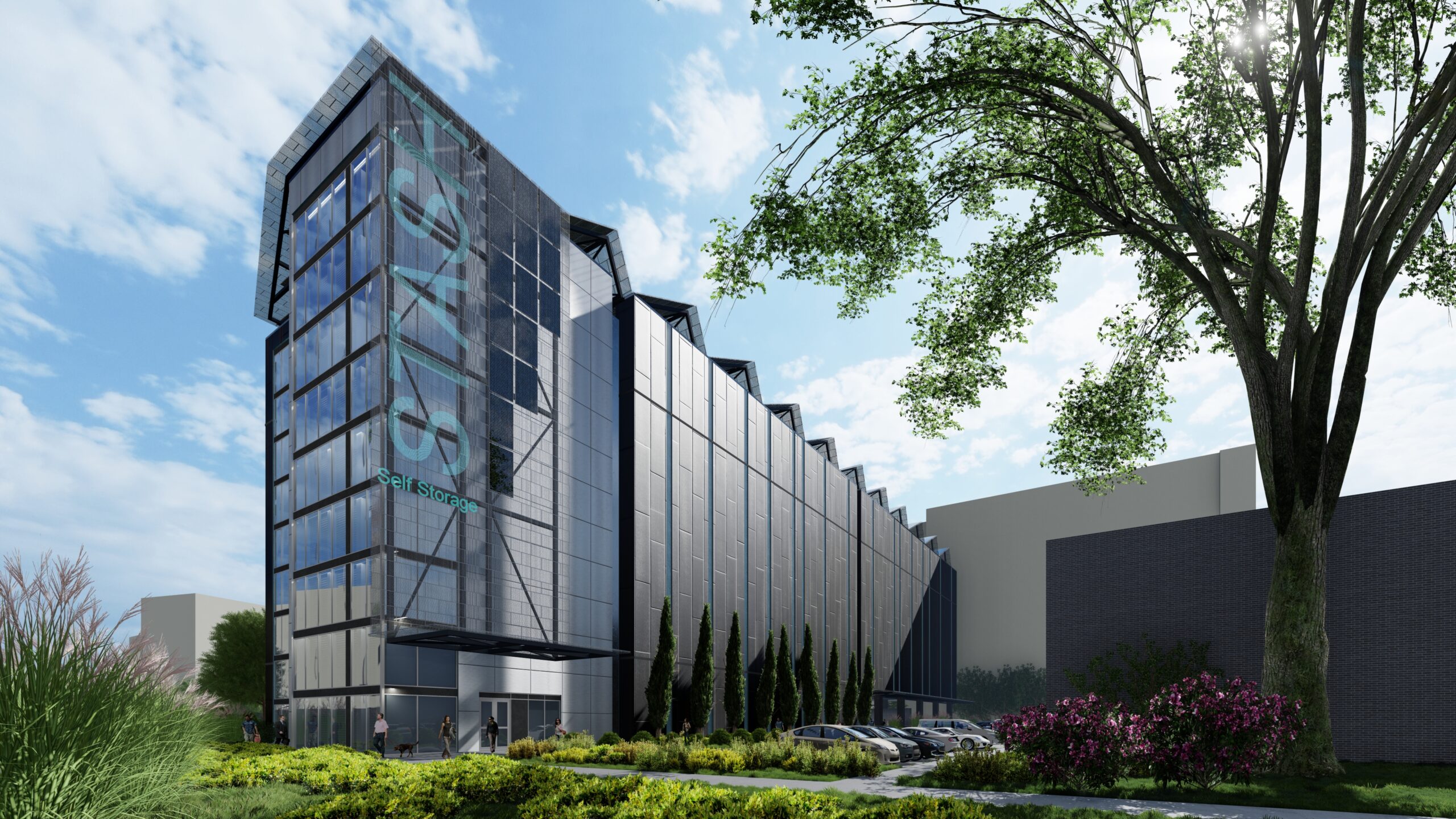
The Stacks Rock Hill, South Carolina
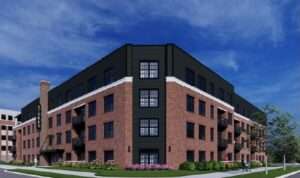
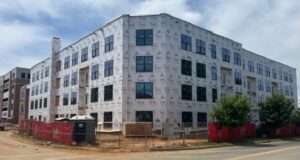
Coming soon to Technology Center Way in Rock Hill, South Carolina, The Stacks is a new, four-story apartment community expanding the area with an offering of 105 new apartment units.
This new development will have a large outdoor gathering space and fitness center for its residents, creating an inviting place to call home in one of South Carolina’s fastest growing cities.
Owner: Tuttle Company | Civil: Keck and Wood | Structural: Taylor & Viola | PME: Wilde Engineering ID: Urbanik Interiors | Contractor: JM Cope
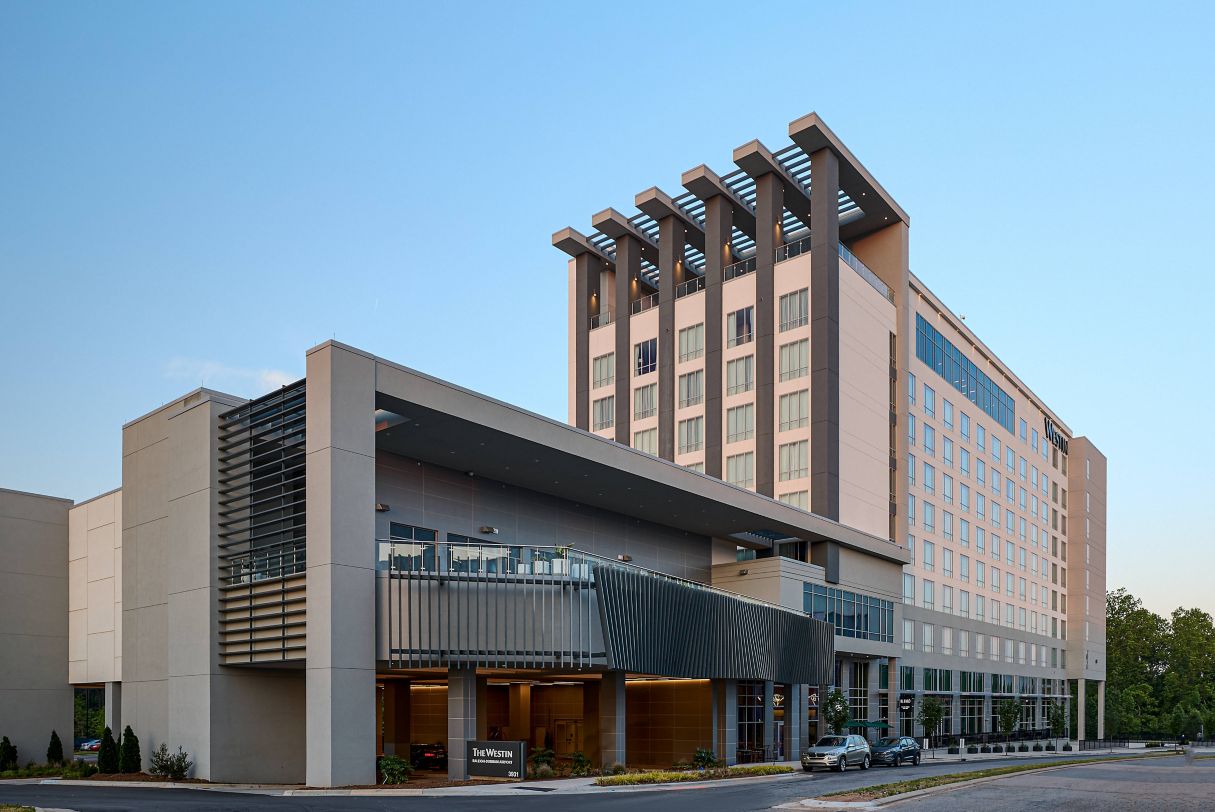
AC Hotel Cary, North Carolina
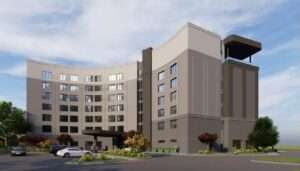
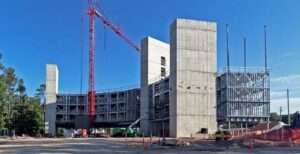
Inspired by Cary’s forward-thinking spirit and technology-focused growth, ODA Architecture, in partnership with CN Hotels, envisioned a Marriott destination that feels ahead of the curve while maintaining an architectural throughline that gives Cary its sense of place. The hotel’s distinctive form creates a memorable architectural identity for tech-driven travelers searching for a unique experience. Designed with the spirit of innovation and adaptability, the project features 144 pie-shaped guestrooms, meeting spaces, an open-air courtyard, and a rooftop restaurant and bar with views toward Cary’s future.
Owner: CN Hotels | Civil: William G. Daniel & Assoc. | Landscape: TMTLA | Structural: Taylor & Viola | PME: AEED ID: Wild Muse Interiors | Contractor: SKA Construction
David W. Martin Law Office Fort Mill, South Carolina
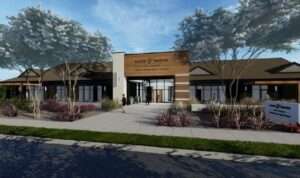
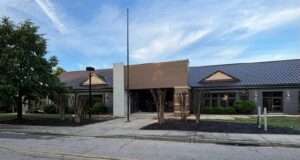
Located in Fort Mill, South Carolina, this adaptive reuse project transforms a former police station into a modern home for the David W. Martin Law Group.
A refreshed exterior, new canopies, and a covered terrace establish a welcoming presence, blending warm wood elements with preserved areas of exposed brick. Inside, the design carries this language forward through clean lines and collaborative spaces, with the upper level fully reimagined for daily operations and the lower level positioned for future tenant flexibility.
Owner: David Martin | Structural: Taylor & Viola | PME: Wilde Engineering | Contractor: Ferrara Buist Contractors
Extra Extra
Victory Junction Volunteer Day
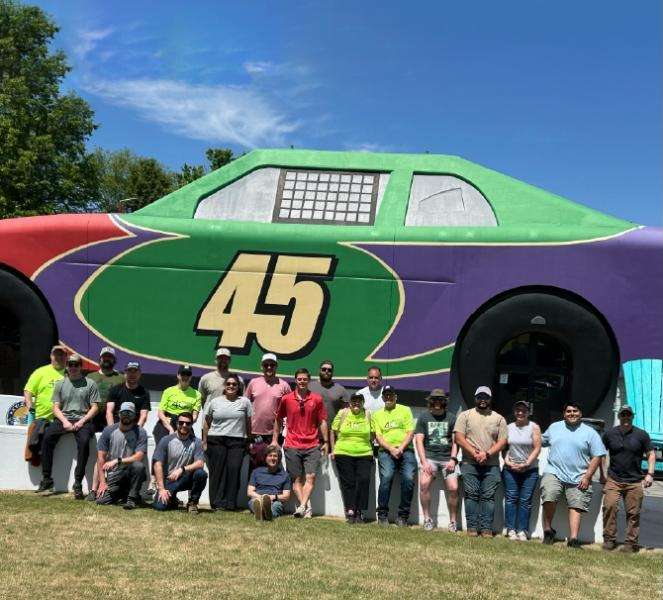
The ODA Team had a blast volunteering at Victory Junction, exploring the outdoors and lending a hand as a small part of the camp’s funomenal cause. Shoutout to our amazing Engineering partners, Taylor & Viola Structural Engineering and Wilde Engineering, for joining us out there for the fun!
Fort Mill Strawberry Sprint
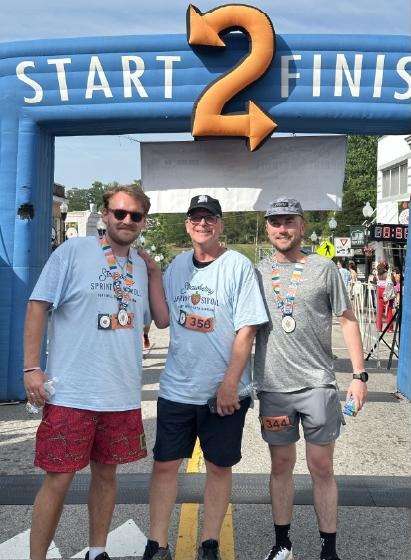
Stephen, Anthony, and Spencer participated in the Annual Fort Mill Strawberry Sprint and Stroll 5k, running with speed and celebrating in fashion! Congratulations to the Fort Mill Economic Partners on a successful event!
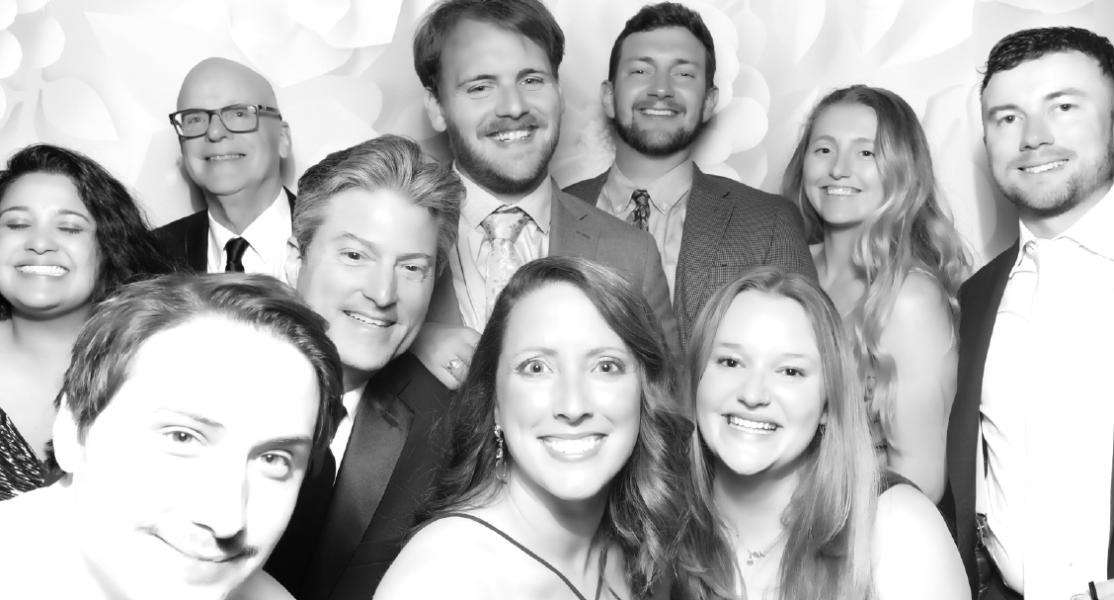
2026 Greater Charlotte Hospitality & Tourism Alliance Gala